Understanding AI Wearables
In recent years, the fusion of artificial intelligence (AI) and wearable technology has revolutionized the landscape of personal devices. AI wearables are designed to enhance user experience by providing smart solutions for health monitoring, fitness tracking, and personal productivity. As we step into 2026, the significance of these devices is more pronounced than ever, with their potential to reshape how we interact with technology. This comprehensive guide will delve into what AI wearables are, how they function, and their broad range of benefits, while also exploring current trends and future applications.
What Are AI Wearables?
AI wearables encompass a variety of devices equipped with advanced algorithms that analyze data collected from sensors. These technologies include smartwatches, fitness trackers, smart clothing, and other gadgets that can be worn on the body. Unlike traditional wearables, AI wearables utilize machine learning and data analytics to offer personalized insights and recommendations. They have become tools not just for tracking physical activities, but also for enhancing overall well-being by predicting health issues and improving daily productivity.
How AI Wearables Work
AI wearables operate through an intricate system of sensors and algorithms. These devices collect data on various health metrics, such as heart rate, sleep patterns, physical activity, and even stress levels. The data is then processed using AI algorithms that can identify trends and provide actionable insights. For example, a smartwatch might analyze your sleep data to suggest optimal sleep times or alert you when you’re stressed. The integration of AI allows these wearables to learn and adapt based on individual user behavior, resulting in a unique experience tailored to each user.
The Benefits of Using AI Wearables
- Personalized Health Insights: AI wearables deliver real-time health data, enabling users to make informed decisions about their health.
- Enhanced Fitness Tracking: With advanced tracking capabilities, these devices monitor fitness levels and suggest improvements.
- Proactive Health Management: AI can predict potential health issues, allowing for early interventions.
- Improved Productivity: Many AI wearables provide reminders and notifications to help users stay organized and focused.
- User Engagement: The interactive elements of AI wearables encourage users to maintain healthy habits through gamification and rewards.
Top AI Wearables of 2026
As the AI wearables market continues to grow, several standout devices are making headlines in 2026. Key innovations enhance user experience and address specific needs, making these wearables essential in everyday life. When exploring options, AI wearables provide comprehensive insights into the best choices available in today’s market.
Best Smartwatches and Health Trackers
Smartwatches are arguably the most popular category of AI wearables. The latest models integrate sophisticated sensors and AI-driven applications that monitor everything from heart rate variability to blood oxygen levels. Leading examples include the Apple Watch Series 10, which offers advanced heart monitoring features and personalized health insights, and the Samsung Galaxy Watch 6, known for its fitness tracking accuracy and seamless connectivity with smartphones.
Innovative AI-Enabled Glasses
AI-enabled glasses are emerging as a game-changer in wearable technology. Devices like the Microsoft HoloLens 3 not only provide augmented reality experiences but also utilize AI to enhance interactions in real-time. These glasses can analyze visual inputs and offer feedback, making them invaluable for hands-free tasks in various settings, from medical applications to engineering and design.
Wearable Fitness Devices to Consider
Several brands are developing niche fitness wearables designed for specific activities. For example, the Whoop Strap 4.0 focuses on recovery and performance metrics, offering insights into how sleep and daily activities impact athletic performance. Similarly, brands like Oura are capitalizing on sleep science, providing wearables that emphasize rest and recovery alongside traditional fitness metrics.
Real-Life Applications of AI Wearables
The practical applications of AI wearables are vast and varied, impacting the health sector, fitness routines, and everyday productivity. As technology evolves, these applications will expand even further, solidifying the role of wearables in daily life.
Health Monitoring and Data Tracking
AI wearables excel in their primary function of health monitoring. They can track vital signs, sleep patterns, and physical activity, providing users with a comprehensive overview of their health. This data is invaluable for healthcare professionals who can use it to make informed decisions about patient care. For instance, wearables like the Fitbit Charge 6 send alerts for irregular heart rhythms, potentially saving lives by prompting users to seek medical attention.
AI Wearables in Fitness and Sports
In the realm of fitness, AI wearables have transformed training methodologies. Coaches and athletes rely on real-time data to monitor performance and adjust training regimens accordingly. Devices that utilize AI algorithms can suggest workouts based on an athlete’s current performance level, fatigue, and recovery metrics, enhancing training effectiveness and reducing the risk of injury.
Impact on Daily Life and Productivity
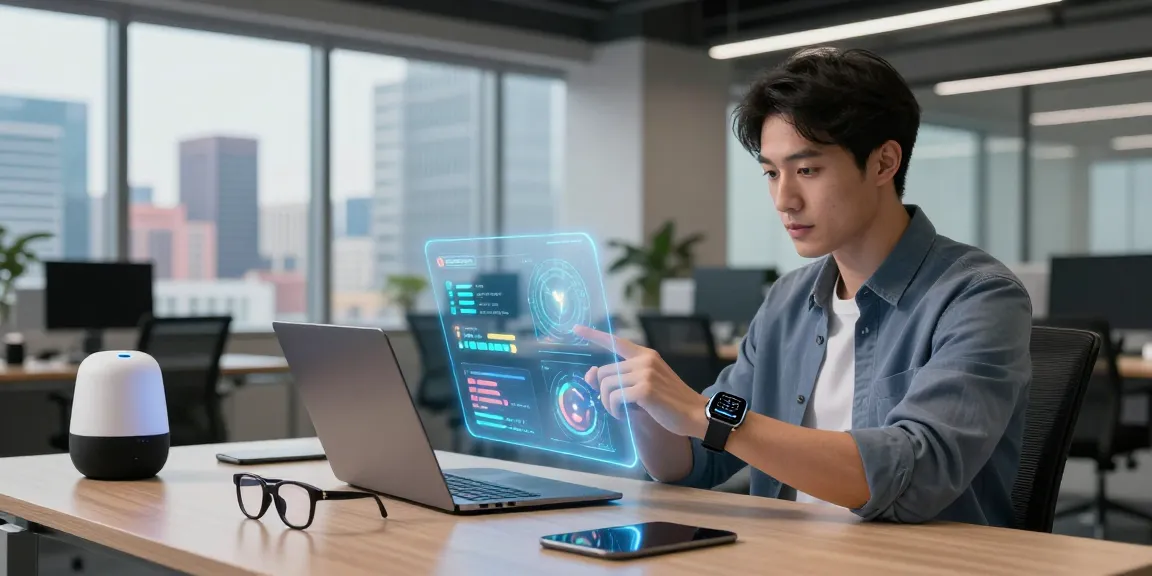
Beyond health and fitness, AI wearables have the potential to enhance daily productivity. For example, smart glasses can assist users in navigating busy environments by providing directions and important notifications hands-free. In an office setting, AI wearables can help manage tasks, streamline communications, and enhance workflow by connecting seamlessly to other devices.
Challenges and Considerations with AI Wearables
While AI wearables offer numerous benefits, they are not without challenges. As technology continues to evolve, potential issues such as privacy concerns, battery life, and device compatibility must be addressed.
Privacy Concerns with Wearable Technology
One of the most pressing issues surrounding AI wearables is privacy. These devices collect a significant amount of personal data, raising concerns about how this information is stored and used. Users must be aware of data privacy policies and take steps to protect their information, ensuring that their data is handled responsibly.
Battery Life and Device Compatibility
Battery life remains a significant concern for many wearables. As devices become more advanced and feature-rich, the demand for power increases. Users are continually seeking wearables that offer longer battery life, and manufacturers must find a balance between functionality and energy efficiency. Additionally, ensuring compatibility with other devices can be complex as a result of different operating systems and connectivity standards.
Common Misconceptions About AI Wearables
There are many misconceptions about AI wearables, including their capabilities and limitations. Some users believe that these devices can replace professional medical advice, while others may underestimate their ability to provide actionable insights about health and productivity. Understanding what AI wearables can and cannot do is crucial for users to maximize their benefits.
The Future of AI Wearables
As we look ahead, the future of AI wearables is promising, filled with emerging trends that will redefine personal technology. The continuous advancement of AI and machine learning will further enhance their capabilities, leading to more intuitive and user-friendly devices.
Emerging Trends in Wearable Technology
Several trends are shaping the future of AI wearables, including the integration of more health metrics, AI-enhanced user interfaces, and increased personalization. Companies are focusing on developing wearables that cater to individual lifestyle needs, utilizing AI to ensure a more customized experience.
Predictions for the AI Wearable Market
Experts predict that the AI wearable market will continue to expand rapidly, propelled by advancements in technology and growing consumer demand. By 2026, the market is expected to reach unprecedented levels, with devices further integrating into consumers’ daily routines and healthcare systems.
How AI Wearables Will Shape Healthcare
In the healthcare sector, AI wearables are poised to change patient monitoring significantly. Their ability to provide continuous health data can lead to improved patient outcomes and more proactive healthcare interventions. As telehealth becomes more prevalent, wearables will be integral in remotely monitoring patients and managing chronic conditions.
What Are the Key Features to Look For?
When considering AI wearables, users should look for key features such as data accuracy, ease of use, compatibility with existing devices, and battery life. Additionally, customization options that allow devices to be tailored to individual health and fitness needs will enhance their effectiveness.
How Can AI Wearables Enhance Performance?
AI wearables can significantly enhance performance across various domains, from fitness to productivity. By providing real-time feedback and suggestions based on user behavior, these devices can help individuals optimize their routines and reach their goals more efficiently. As technology continues to evolve, the potential for AI wearables to improve both health and performance is immense.